QUORUM SENSING
Applying quorum sensing (QS) science to support animal health
QUORUM SENSING
Quorum sensing is a natural, cell-to-cell communication system used by bacteria to coordinate their behavior based on population density.
How bacteria talk
Bacteria communicate via “signal molecules”. These molecules bind to their counterparts’ receptors, and they fit together like cogs (see magnification). As soon as more molecules are measured, the behaviour of this group changes. They will then, for example, start to produce spores or produce a biofilm layer (= slimy extracellular matrix that is composed of extracellular polymeric substances).
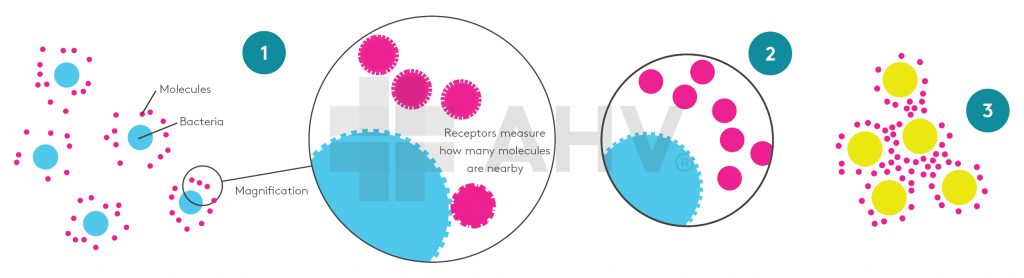
Figure 1: Cell communication (AHV International, 2020 – based on Bassler / Keulemans, De Volkskrant, 2017)
ANTIMICROBIAL RESISTANCE (AMR)
AMR is a growing global threat impacting farmers, veterinarians, and consumers. When bacteria become resistant, antibiotics lose effectiveness, making common diseases harder to treat. In animals, conditions like RTID and subclinical mastitis still rely heavily on antimicrobials, fueling resistance.
If unchecked, AMR could cause 40 million deaths by 2050 and jeopardize food security. The WHO warns against routine antibiotic use in agriculture. Innovative, sustainable solutions—such as microbiome support and Quorum Sensing Inhibition—offer hope for healthier herds and a future without antibiotic overuse. Join the fight today.
Which role does it play in farming and animal health?
In farming and animal health, quorum sensing is important because it plays a key role in biofilm development and antimicrobial resistance (AMR). Disrupting quorum sensing can help prevent harmful bacterial behaviors, making infections easier to manage and reducing the need for antibiotics.