AMR ROADMAP
WHY IT MATTERS TO YOU, YOUR FAMILY, AND THE FUTURE OF ANIMAL HEALTH
WHAT IS AMR?
The term antimicrobial resistance (AMR) is becoming increasingly common in agriculture and animal husbandry. It affects us all: farmers, veterinarians, and ultimately consumers. AMR means that bacteria “get used” to the drugs, and over time, antibiotics become less and less effective against them. If this becomes widespread, diseases that were previously easy to treat may become untreatable (World Health Organization).
consequences of amr
In domestic animals, reproductive tract inflammatory diseases (RTID) and subclinical mastitis (SCM) are still largely managed with antimicrobials. Yet the call for alternatives has never been louder: if unchecked, antibiotic resistance is projected to claim nearly 40 million lives worldwide by 2050 (Naddaf, 2024). This escalating crisis, driven by indiscriminate antimicrobial use, endangers both global health and long-term food security. The World Health Organization (WHO, 2024) has now identified 15 families of antibiotic-resistant bacteria as critical threats to human health and firmly advises against the use of antimicrobials for growth promotion or routine disease prevention in agriculture.
While RTID and SCM are rarely fatal, their heavy toll on fertility and milk yield fuels an entrenched dependence on antimicrobial therapies.
WHAT YOU CAN DO
Fortunately, a new wave of research is breaking through. Though still emerging, sustainable non-antibiotic strategies are gaining ground. Advances in host–microbiome science and Quorum Sensing Inhibition (QSI) are opening doors to innovative therapies that restore microbial balance and enhance natural resilience. Supporting animals through transition periods, in particular, is proving a powerful way to harness the microbiome’s innate capacity to prevent disease and promote health.
This review sets out to explore QSI in domestic animals, its role in health and disease, and its potential in reshaping treatments for RTID and SCM. From evidence-based protocols to microbiome monitoring, we highlight both the challenges and opportunities ahead as we work to turn these scientific advances into practical, sustainable solutions for animal health.
JOIN OUR MISSION
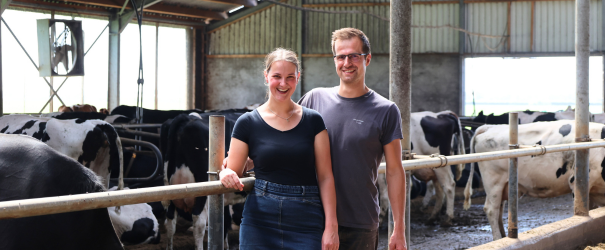
The fight against antibiotic resistance is a shared responsibility. It is the farmer’s responsibility to pay attention to hygiene conditions and not to use medication unnecessarily. It is the veterinarian’s job to make an accurate diagnosis and prescribe medication responsibly. And it is in all of our interests to ensure that effective drugs for treating diseases remain available in the future.
We believe that the key to success lies in foresight. Adapting to new regulations is not only a challenge, but also an opportunity – an opportunity to make your farm more sustainable and your livestock more resilient. Farmers who take action now can gain a competitive advantage.
We can help you act responsibly. Get in touch with us!