
Energy is essential for milk production and for a well-functioning immune system
In recent years, genetic selection has become more prevalent, resulting in higher milk yields than ever before. Unfortunately, this also has a downside. The transition from a dry cow to a lactating cow requires a lot of energy from the high-producing dairy cow (Santos et al., 2012). Energy expenditure in the first weeks after calving exceeds the energy intake through the feed. This excessive energy deficiency can lead to health challenges and reduced immune function, which can lead to lower milk yield and fertility issues.
Energy intake versus energy expenditure
Just before calving, dairy cows already experience a shortage in energy. This is normal as they undertake a period of fasting to provide the energy needed for the starting milk synthesis. This is called a Negative Energy Balance (NEB) is experienced by every cow at the beginning of lactation. A dairy cow will overcome a period of moderate energy deficiency without any problems. However, when the energy requirement is drastically increased or when energy intake decreases due to management errors, this can result in severe energy deficiencies and disturbed metabolism.
Calving
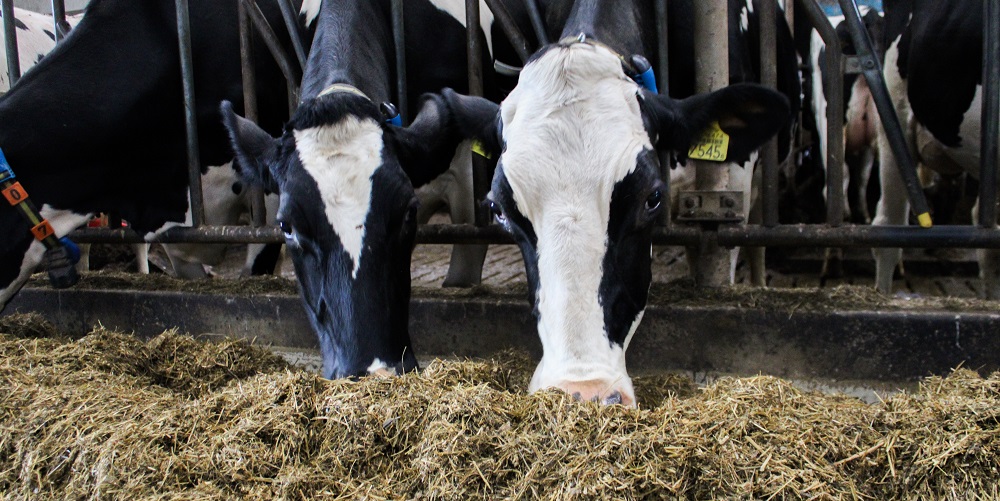
The calving process is a stressful period for the cow. Not only is labour demanding, but also relocation to the calving pen, the high milk production, the change from a dry cow ration to a lactation ration, and joining the main milking herd. A stressful environment can lead to both increased energy requirements and reduced energy intake. At the end of gestation, the calf’s growth increases the most, accompanied by a high increase in energy requirements. Due to the growing calf, more space is taken up by the uterus, causing the cow to absorb less dry matter just before calving. In addition, the cow has a reduced appetite around calving, and the diet can only partially meet its energy needs (Walsh Et al., 2011).
Lactation
With the start of milk production, the demand for glucose for the udder increases to meet the daily milk yield. For a cow producing 40 kg of milk per day, the supply of glucose to the udder should be 3kg per day (Zhao et al., 2007). Increased milk production leads to increased nutrient demand (Weber et al., 2013). Energy consumption for body processes and lactation in the first few weeks after calving exceeds energy being taken in through the feed.
A cow can stay ahead of these challenges by administering AHV Booster Tablet on 14 days before and within 7-10 days after calving in combination with the AHV Extra Tablet. The AHV Booster Tablet increases energy intake through easily digestible energy sources and promotes optimal utilisation of feed. In addition, AHV Booster Tablet supports liver health. AHV Extra Tablet also improves udder health and ensures a better start to lactation.

Energy intake is a limiting factor in milk production
Energy intake is the main limiting factor in milk production in high-producing dairy cows and is determined by dietary net energy and dry matter intake (DMI). The decreased dry matter intake around calving is however only temporary (Bossaert et al., 2008). The cow’s appetite will increase a few weeks after calving, partly due to the decreasing insulin concentration. However, the increase in dry matter intake falls short of increasing energy requirements. The lactation peak occurs between the 4th and 8th week after calving, while dry matter intake only increases between 8 and 22 weeks after calving (Bossaert et al., 2008).
It is essential to offer cows the right proactive and reactive healthcare protocols to get through this demanding period in the best possible way. The AHV Booster range allows you to provide the animal with energy to meet these needs while stimulating the cow to use energy from the ration more efficiently. Drenching with the AHV Booster Powder is the best solution when there is a need for a lot of quick energy.

NEB and its effect on the immune system
Cows with a more significant negative energy balance have a reduction of specific immune functions (Hammon et al., 2006; Le Blanc, 2008). The decrease in DMI and calcium concentration around calving combined with NEB and the loss of minerals or vitamins at the start of lactation results in reduced immune function. This can lead to serious health challenges (Santos et al., 2012).
Most importantly, if you can support energy levels in time, you will help the cow achieve optimal performance. When a cow has good energy levels, this will positively contribute to milk production, fertility, immunity, and successful calving. If the cow remains healthy throughout lactations she will achieve longevity and stay within the herd, producing the best quality milk for longer.
Resources:
Santos, J. E. P., Bisinotto, R. S., Ribeiro, E. S., Lima, F. S., & Thatcher, W. W. (2012). Impacts of metabolism and nutrition during the transition period on fertility of dairy cows. In 2012 High Plains Dairy Conference, Amarillo, Texas (pp. 97-112).
Walsh, S. W., Williams, E. J., & Evans, A. C. O. (2011). A review of the causes of poor fertility in high milk producing dairy cows. Animal reproduction science, 123(3-4), 127-138.
Zhao, F. Q., & Keating, A. (2007). Expression and regulation of glucose transporters in the bovine mammary gland. Journal of Dairy science, 90, E76-E86.
Weber, C., Hametner, C., Tuchscherer, A., Losand, B., Kanitz, E., Otten, W., … & Hammon, H. M. (2013). Hepatic gene expression involved in glucose and lipid metabolism in transition cows: Effects of fat mobilization during early lactation in relation to milk performance and metabolic changes. Journal of dairy science, 96(9), 5670-5681.
Bossaert, P., Leroy, J., Cools, S., & Opsomer, G. (2008). De metabole adaptatiemechanismen bij hoogproductieve melkkoeien. Vlaams Diergeneeskundig Tijdschrift, 77(1), 207-215.
Hammon, D., Evjen, I. M., Dhiman, T. R., Goff, J. P., & Walters, J. L. (2006). Neutrophil function and energy status in Holstein cows with uterine health disorders. Veterinary immunology and immunopathology, 113(1-2), 21-29.
LeBlanc, S. J. (2008). Postpartum uterine disease and dairy herd reproductive performance: a review. The Veterinary Journal, 176(1), 102-114.
Proactive support for optimal udder health
Below we show the protocol we recommend for optimal udder health. Clicking on the picture will show you more information about the product. We recommend using the products in a programme for optimal results.
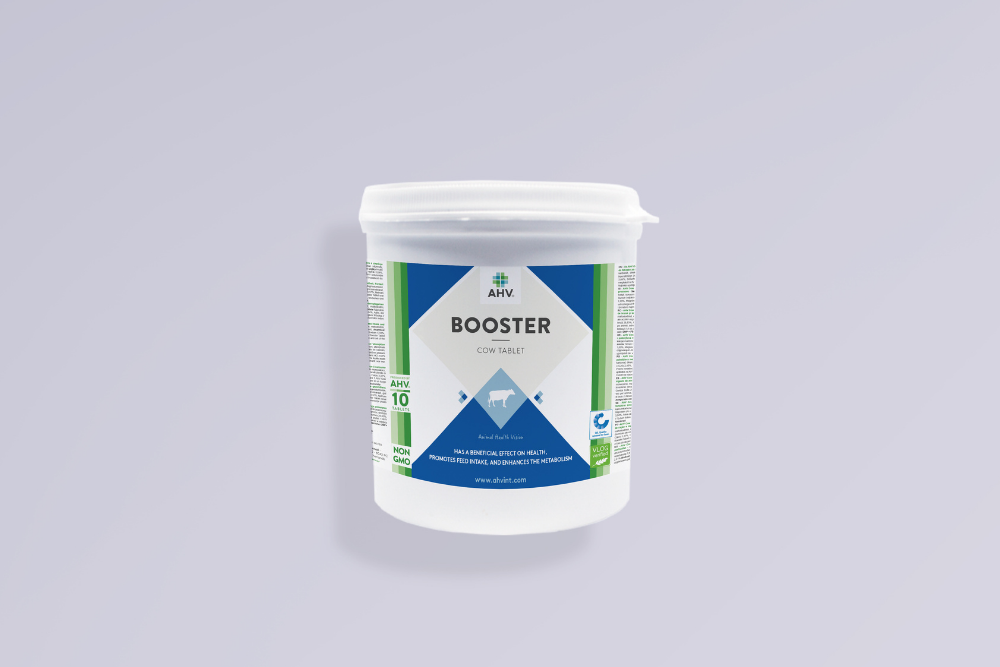
14 days before calving
Booster tablet
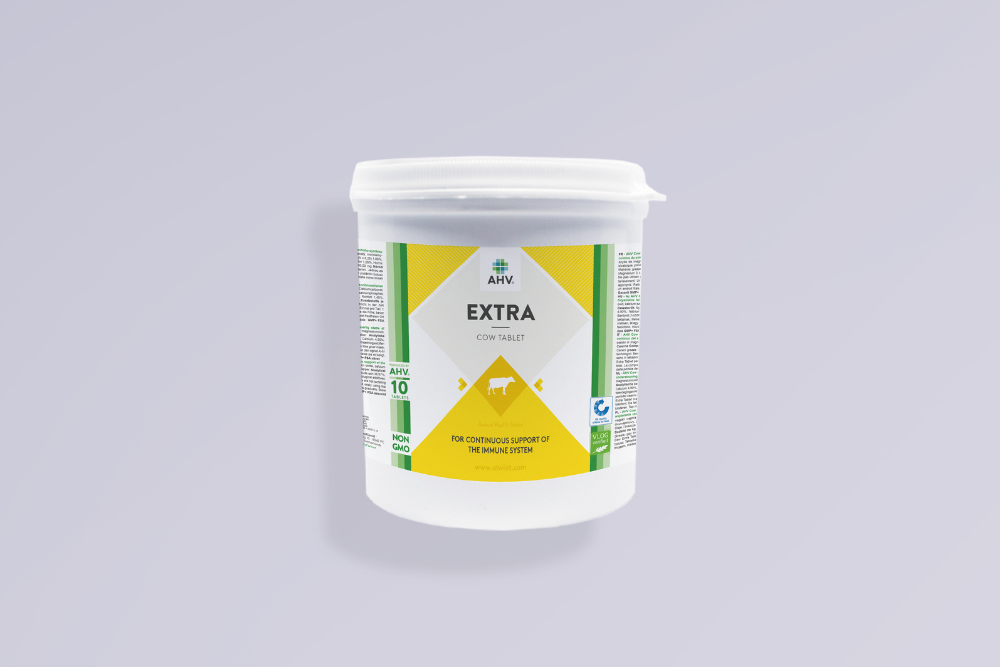
1 week after calving
Extra tablet
1 week after calving
Booster Tablet
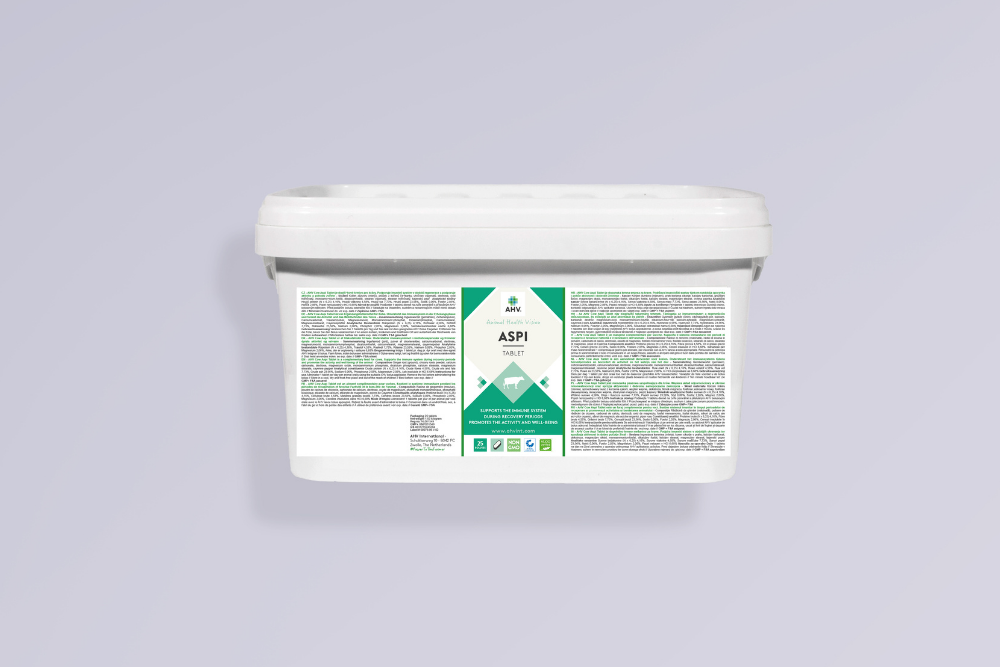
1 week after calving
Aspi Tablet
4-8 weeks before drying off
Extra tablet
4-8 weeks before drying off
Aspi tablet
Get in touch!
Would you like to be visited by an advisor to discuss the health challenges on your farm together? Our AHV Specialist will be happy to visit you to jointly assess the health of your cows and come up with appropriate cow-specific advice.

EN – Get in touch
"*" indicates required fields