How a proactive uterine health approach impacts reproduction and herd success
Reproduction plays a crucial role in the profitability of any dairy production system. Uterine health problems, which can be exacerbated by calving difficulties such as retained placenta, are linked to poor uterine contractions and suboptimal reproductive outcomes. Persistent invasions by harmful bacteria can directly damage the uterus and disrupt normal ovarian function, further reducing reproductive efficiency and fertility in subsequent cycles (Sheldon et al., 2000; Gunay et al., 2011).
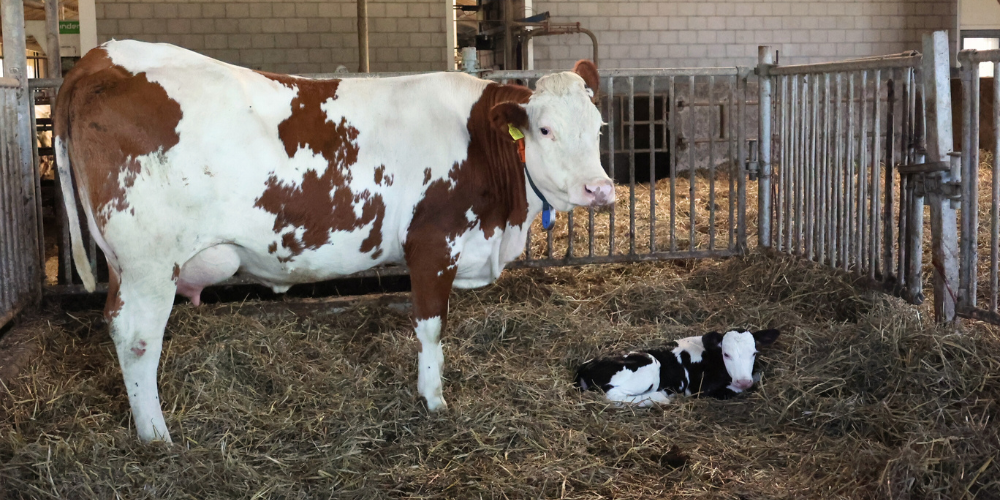
During a normal birth we distinguish three stages, dilation of the parturition canal, delivery of the foetus, and expulsion of the foetal membranes (including the placenta). The foetal membranes are usually expelled within two to eight hours after parturition. The incidence of retained placenta ranges from 9.0 to 15.4% at herd level (Mahnani et al., 2021). When retained placenta occurs, the vulva becomes more open and harmful organisms are drawn into the vagina and uterus. These microorganisms can cause uterine issues and this can cause a number of potential reproductive problems (Gunay et al., 2011).
Consequences retained placenta
| Increase in the period from parturition to first oestrus and first service |
| Increased number of open days |
| More services needed per conception |
| Increased calving interval |
| Reduced conception rate |
AHV Uterine Health & Fertility Program
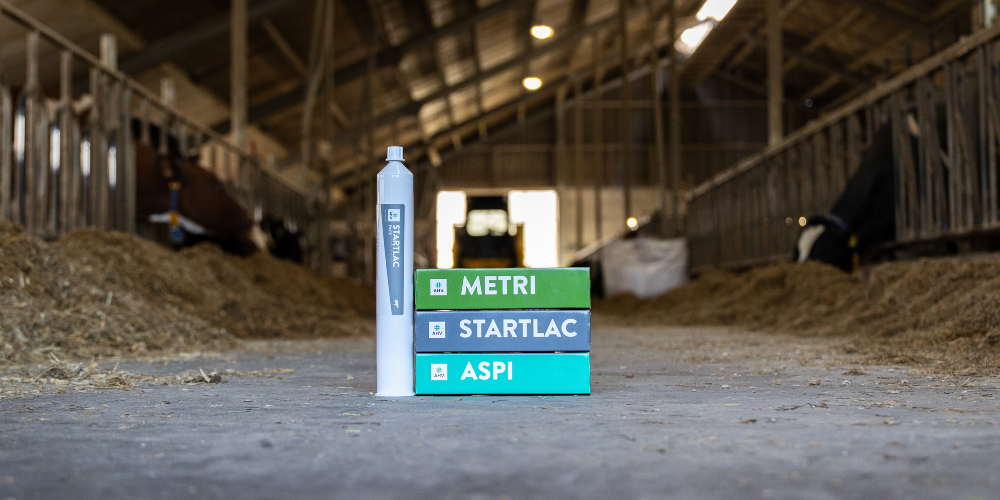
A healthy uterus has a positive impact on the fertility of your herd, and this already starts immediately after calving. Good fertility is crucial for economic results as well as being an indicator of the health and welfare of the cow. Therefore, it is important to support your cows with the right products immediately after calving, to keep the animal healthy and thus limit the risk of challenges later on. With all this in mind, AHV has developed its Uterine Health & Fertility Program. This program follows of a proactive protocol containing three products that should be administered to all cows immediately after calving. These products are the AHV StartLac Paste (or Tablet), Metri Tablet and Aspi Tablet.
- StartLac Paste or Tablet is for the reduction of the risk of milk fever and subclinical hypocalcaemia, and ensures sufficient intake of magnesium, calcium, phosphorus for an efficient metabolism and uterine contraction. It also boosts the appetite so that the cow starts eating more quickly after calving.
- Metri Tablet improves uterus hygiene, stimulates placental release, and supports uterine contraction as well as the performance of the cow.
- Aspi Tablet offers strong immunity support to make cows feel better and calmer after calving, resulting in a more active cow with a higher feed intake.
Post-calving protocol trial results (113 cows)
| 8% Increase in conception rate |
| 9 DAYS Reduction in days open |
| UP TO +0.24 LITRES Daily milk yield across lactation |
Besides this proactive protocol, an (re)active protocol is available for individual cows at high risk of developing health issues in the short or long term. For severe health issues, we offer a reactive protocol. This reactive approach supports the cow and minimises the impact of uterine issues on the following lactation.
Your personal AHV Farm Advisor will work with you to assess herd health using milk recordings and your farm goals. Together you can make a plan of action for potential proactive support. The farm advisor will be your first point of contact in case of issues.
Our proactive advice
| TRANSITION + UTERINE HEALTH & FERTILITY PROGRAM |
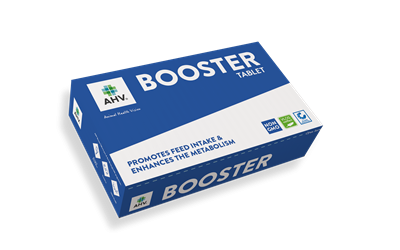
1x AHV Booster Tablet
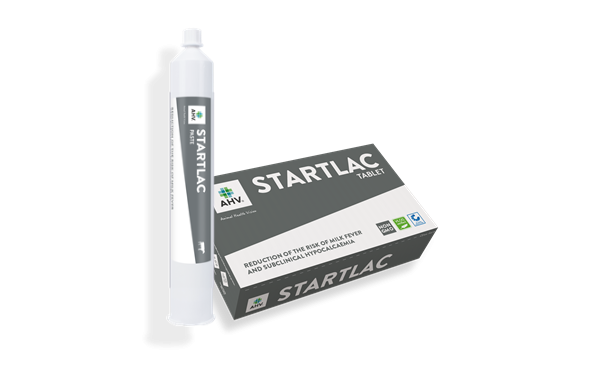
1x AHV StartLac Paste of Tablet
(repeat tablet after 12- 24 hours)
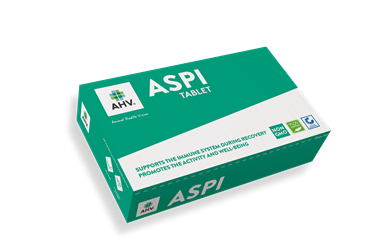
1x AHV Aspi Tablet
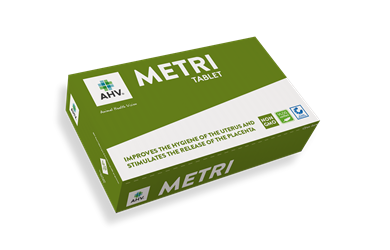
1x AHV Metri Tablet
1x AHV Booster Tablet
References
Gaafar, H. M. A., Shamiah, SH. M., Shitta, A. A., and Ganah, H. A. B., 2010. Factors affecting retention of placenta and its influence on postpartum reproductive performance and milk production in Friesian cows. Slovak J. Anim. Sci., 43(1): 6-12
Gunay, A., Gunary, U., and Orman, A., 2011. Effects of retained placenta on the fertility in treated dairy cows. Bulg. J. Agric. Sci., 17(1): 126-131
Mahnani, A., Sadeghi-Sefidmazgi, A., Ansari-Mahyari, S., Ghorbani, GR., and Keshavarzi, H. 2021. Farm and cow factors and their interactions on the incidence of retained placenta in holstein dairy cows. Theriogenology, 159, 87-97
Sheldon, I. M., Noakes, D.E., and Dobson, H., 2000. The influence of ovarian activity and uterine involution determined by ultrasonography on subsequent reproductive
performance of dairy cows. Theriogenology, 54(3), 409-419
Have a question?
Our experienced Farm Consultants and Technical Veterinary Experts are here to address any queries you have regarding your herd health.
Fill out our brief contact form to receive a call from our friendly team.

EN – Get in touch
"*" indicates required fields