
Temperatures are dropping! Protect your calves from health challenges
As the seasons change, the impact of low temperatures on livestock health becomes a more pressing concern. Calves are particularly vulnerable to temperature changes as their immune system is still developing and they do not have extra fat stores to mobilize, so any stress period will increase the risk of health challenges. This article delves into the potential dangers that low temperatures pose to calf health and discusses strategies for safeguarding these young animals against the chilling effects of winter.
Understanding the Vulnerability of Calves
When calves are born, their thermoregulatory system (maintains normal body temperature) is not fully developed, which means they have limited ability to keep themselves warm during cold weather. When exposed to low temperatures, calves have to use up energy in a bid to try to keep themselves warm. This energy could have otherwise been used for growth and support to the immune system. If calves experience cold stress, this can lead to a range of health challenges, including decreased growth rates, reduced feed intake, and a weakened immune response (L. Roland et al., 2016). A growth delay results in more days until the first calving or lower bodyweight at first calving. This has a direct effect on the potential milk yield of the future cow. The first few weeks of a calf’s life are particularly critical, as their energy demands are high, making them more susceptible to the negative effects of cold stress.
The Thermoneutral Zone
The thermoneutral zone is the temperature range at which a calf doesn’t have to use energy to maintain its core body temperature. Table 1 presents the threshold values for cold stress in calves under 3 weeks of age and those older than 6 weeks (Borderas et. al, 2009). In comparison, the thermoneutral zone for adult cows is between 23°F to +73°F.
Table 1: Cold stress threshold values for young dairy calves and in comparison, their respective thermoneutral zone (Borderas et. al, 2009).
| Age of calf | Cold stress occurrence | Thermoneutral zone |
| Less than 3 weeks | Less than 59°F | 59 to 73°F |
| Greater than 6 weeks | Less than 42°F | 43 to 73°F |
Impact of Cold Temperatures on Immune Function
At low temperatures, the immune system does not function as effectively, which leaves calves more susceptible to bacterial infiltrations. When calves are cold, they need to use energy to try to keep themselves warm. This means less energy will be available to produce white blood cells, which are crucial for overcoming health challenges. Therefore, calves will be more vulnerable to respiratory and digestive health challenges, which can have long-term consequences.
Impact of health challenges throughout life
Any stress period or health challenge during the calf rearing period can potentially impact the animal for its entire life through. This may be due to reduced growth rates, lower milk yields and later finishing times. Studies have shown respiratory challenges in young, pre-weaned calves can reduce first lactation yield by 4% and second lactation yield by 8%. In animals impacted by respiratory challenges relapses, first and second lactation yields are reduced even further, by 5% and 10% respectively (Morrison, 2013).
Nutritional Considerations for Cold Temperatures
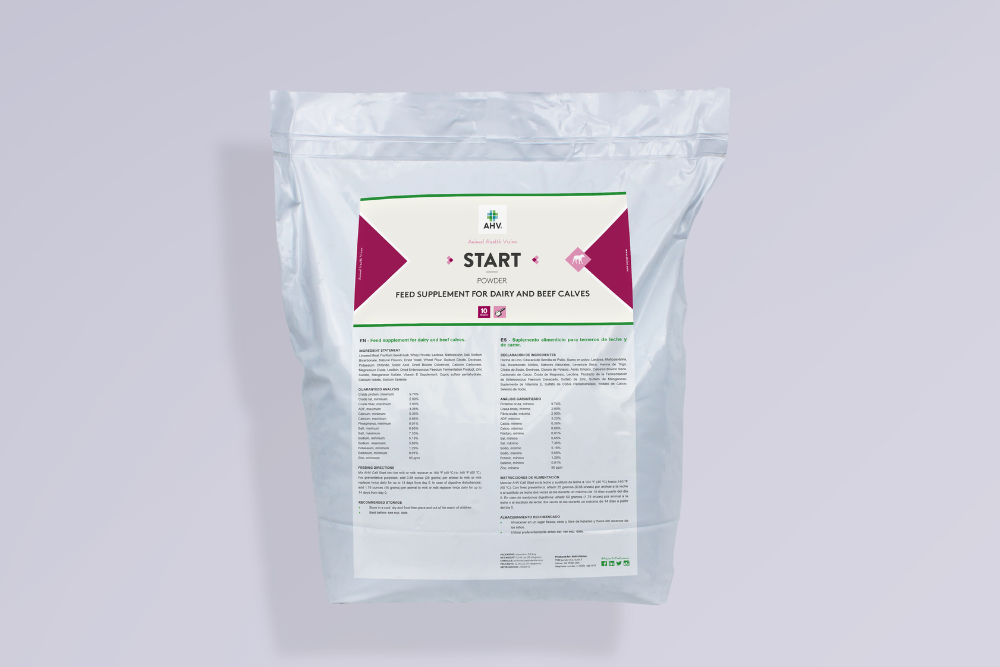
Calves require increased energy intake to maintain body temperature in colder conditions. When exposed to low temperatures, they must divert energy from growth and immune function to maintain core body temperature. This diversion of energy can lead to slower growth rates, delayed puberty, and reduced overall productivity. When dairy heifer growth targets are missed (due to health challenges etc.) they are unlikely to be on target for breeding at 15 months of age and calving at 24 months of age (Bach, 2011). Ensuring adequate nutrition and a balanced diet is crucial during cold weather to support calf health and development. Due to the fact that calves cannot absorb more energy out of the milk (the abomasum is not big enough to store and digest more milk), AHV Calf Start should be added to milk to provide additional directly available energy (which not need to be digested by the abomasum) and immune function support during cold weather.
Housing and Management
Ensuring proper housing and management techniques can significantly mitigate the risks of low temperatures on calf health. Well-ventilated (but not draughty) calf barns with proper insulation and clean, dry bedding can offer protection from harsh weather conditions. Adequate bedding not only provides insulation but also helps calves conserve body heat and stay dry, reducing the risk of hypothermia and frostbite.
Precautionary Measures
To minimize the impact of low temperatures on calf health, consider implementing the following simple measures:
- Offer warm, easily digestible colostrum to provide calves with essential nutrients and warmth. Calves should receive a minimal of 1 Gallon of colostrum within 2 hours of birth to ensure adequate uptake of antibodies and supply warmth and energy.
- Maintain a clean, dry environment to reduce the risk of transmission of health challenges.
- Provide access to clean water at all times to prevent dehydration and maintain feed intake.
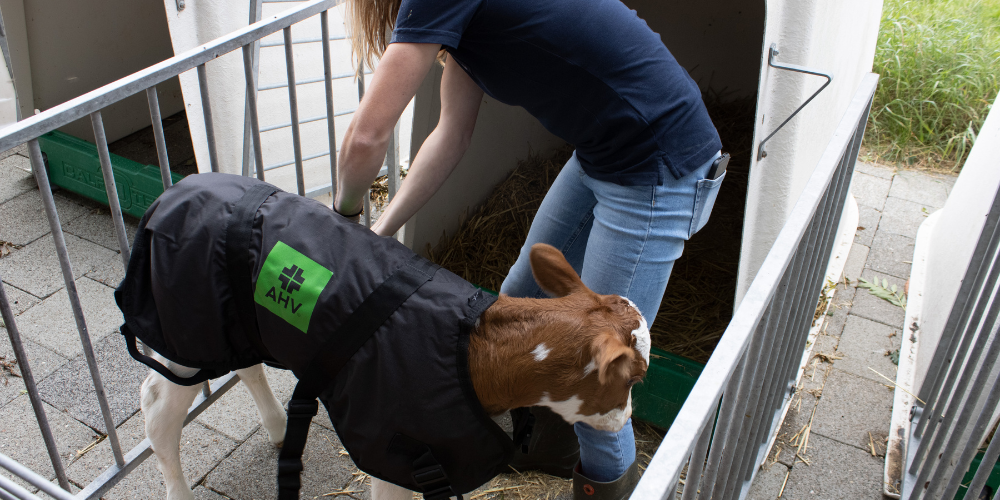
- Use calf jackets or coats for added insulation and warmth.
- Pay close attention to calf behaviour and monitor any signs of distress or health challenges.
- Contact your local AHV Farm Advisor to discuss our wide range of calf health solutions.
The risk of low temperatures on calf health is a serious concern that requires proactive measures to safeguard these vulnerable animals. Understanding the physiological challenges that calves face in cold weather, along with implementing appropriate housing, nutrition, and management practices, can significantly reduce the negative impact of low temperatures on their health and overall productivity. By taking steps to mitigate the chilling effects of winter, farmers can ensure the well-being and future success of their calf populations. Please contact your local AHV Farm Advisor to discuss our calf health solutions and how we can help you manage your herd this winter.
By Siobhán Regan DVM, Veterinary Technical Advisor and Anna Millar, Product Manager UK
References
Bach A., Associations between several aspects of heifer development and dairy cow survivability to second lactation. J Dairy Sci 2011; 94:1052-1057
Borderas F., De Passillé A., Rushen J., Temperature preferences and feed level of the newborn dairy calf, Applied Animal Behaviour Science, Volume 120, Issues 1–2, 2009, Pages 56-61,
Morrison, S., Scoley, G. and Barley, J., 2013. The impact of calf health on future performance. Veterinary Ireland Journal, 3(5), pp.264-268.452,
Roland L., M. Drillich M., D. Klein-Jöbstl,, D. Iwersen M., Invited review: Influence of climatic conditions on the development, performance, and health of calves, Journal of Dairy Science, Volume 99, Issue 4, 2016, Pages 2438-2
Proactive support for optimal calf rearing
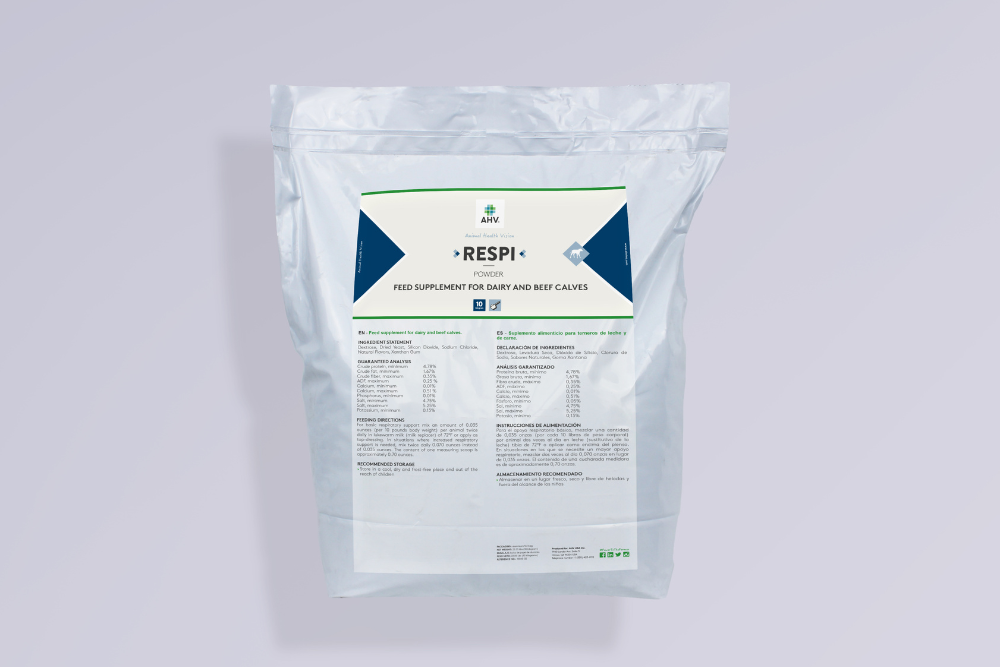
Below we show the protocol we recommend for optimal calf rearing. Click on the picture to see more information about the product. We always recommend using the products in a program for optimal results.
Calf Start
Respi

Booster Powder
Get in touch!
Would you like to be visited by an advisor to discuss the health challenges on your farm together? Our AHV Farm Advisor will be happy to visit you to jointly assess the health of your cows and come up with appropriate cow-specific advice.

US – Get in touch
"*" indicates required fields